The follow-up to the pipeline article: a five-tab dashboard that audits a self-hosted Pelican analytics system. Covers the Overview, Audience, Content, Engagement, and Health tabs, the card types each contains, the five-check verify tool as a correctness contract, and the deliberate omissions that keep the dashboard honest about its own corrections.
... Read MoreAll Categories » Programming » web development (1-8 / 8 articles)

A complete self-hosted analytics pipeline for a Pelican static site: a PHP tracker with bot detection, a SQLite view that hides pollution, a retroactive backfill tool, and a deterministic two-feed sync that keeps counts in markdown frontmatter. No third-party provider, no client-side telemetry, no dashboards you cannot audit.
... Read MoreA deep dive into a Python tool that combines, purges, minifies, and redeploys CSS bundles for Pelican themes using a recipe-based pipeline. Learn how it records every build step, automatically replays the entire chain, and drops the result into the output folder – no full site rebuild required.
... Read MoreLearn how to structure your Pelican content directory, define a rich metadata vocabulary, and treat Markdown files as queryable data records. This foundation enables all future dynamic‑like features without plugins.
... Read MoreSVG is typically dismissed as a designer's format, but for developers it behaves more like source code — versionable, composable, scriptable, and pipeline-friendly. This article explores SVG as an engineering primitive for procedural graphics, automated banner generation, accessible data visualization, and deterministic build systems.
... Read MoreA structured, production-style setup of Pelican focusing on clean architecture, isolated environments, modular configuration, and plugin discipline.
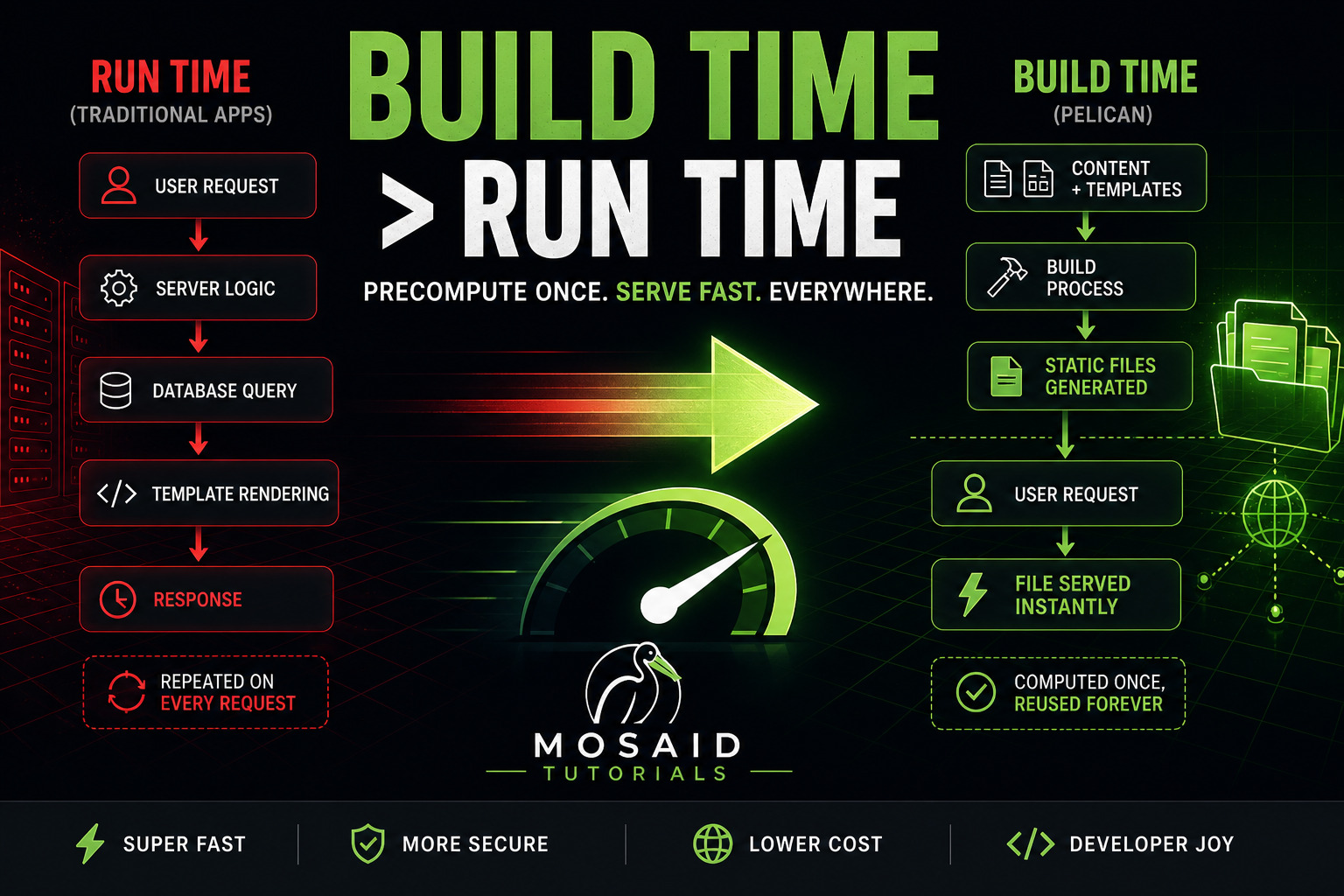
... Read MoreMost developers treat static sites like simplified dynamic apps. That’s a mistake. In this guide, we explore the mental model shift from runtime thinking to build-time precomputation, turning your Pelican site into a fast, data-driven system.
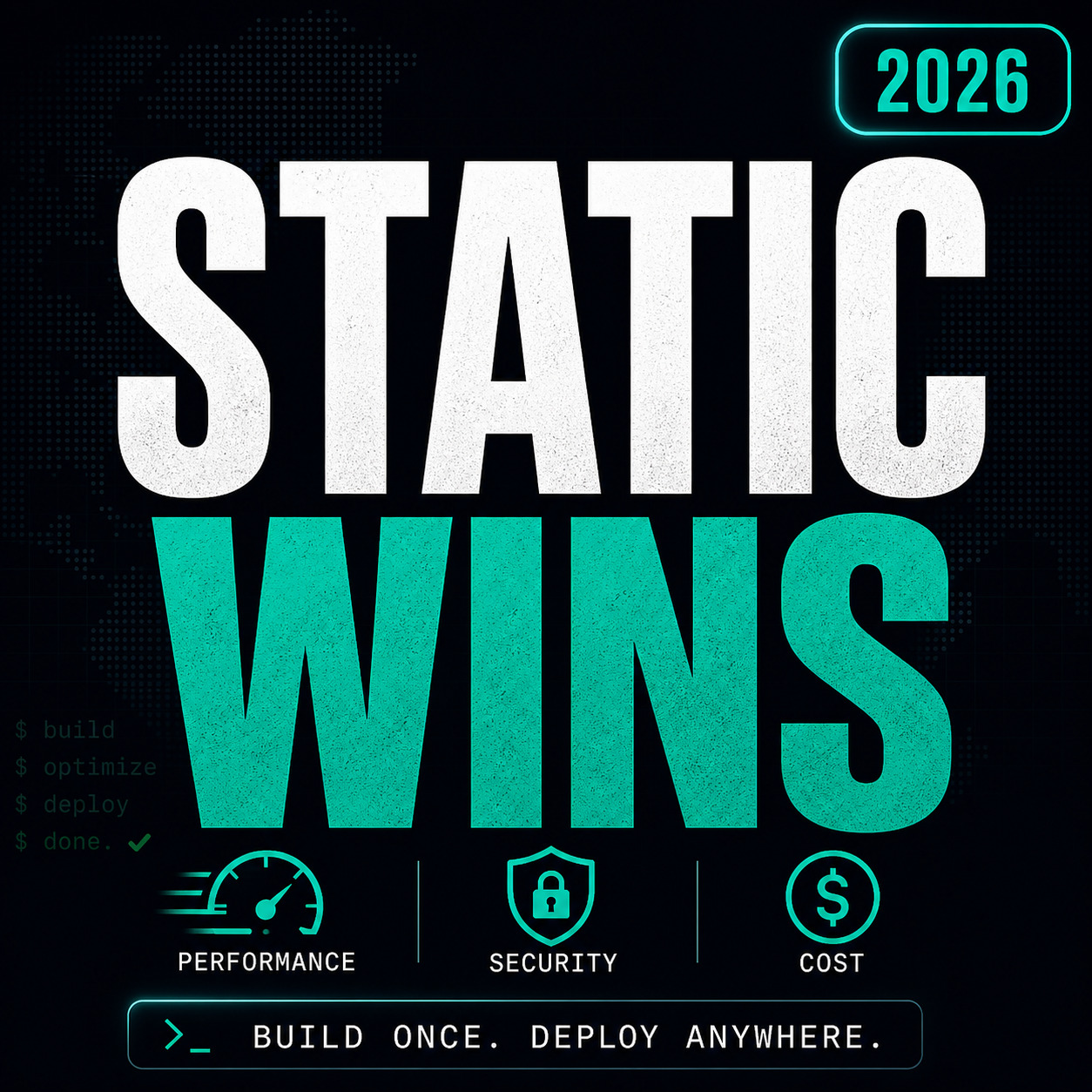
... Read MoreStatic websites aren’t outdated—they’re a deliberate engineering choice. In this article, we break down why static sites still outperform modern frameworks in speed, security, and cost, and set the foundation for building dynamic-feeling websites without backend complexity.
... Read More